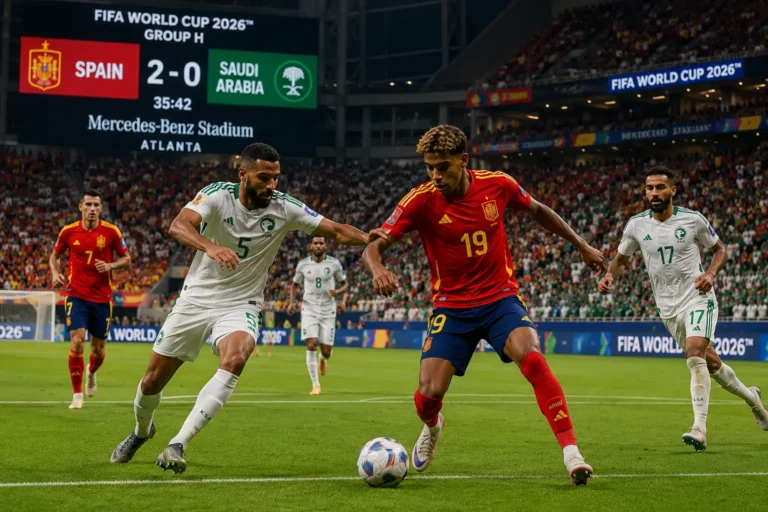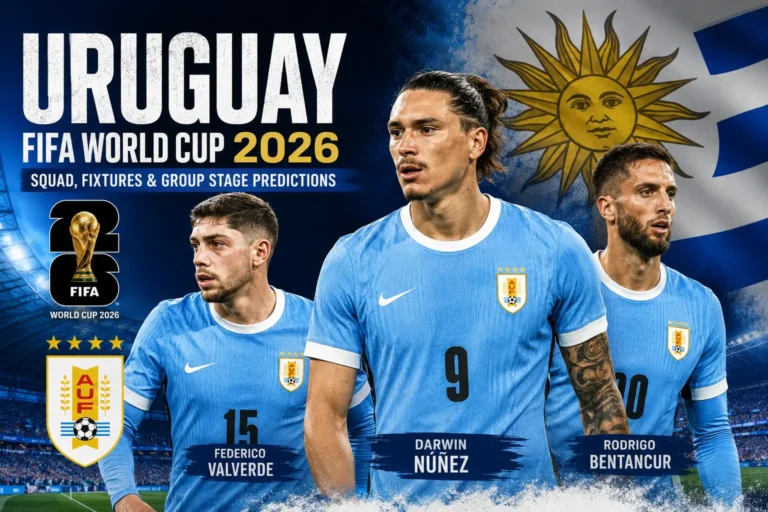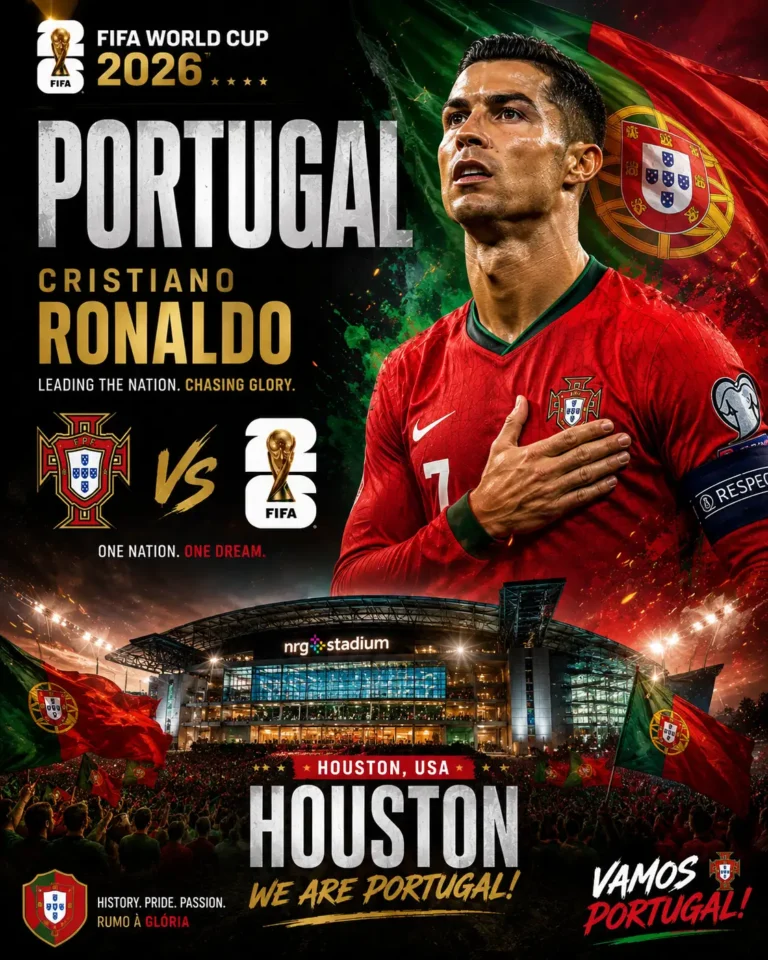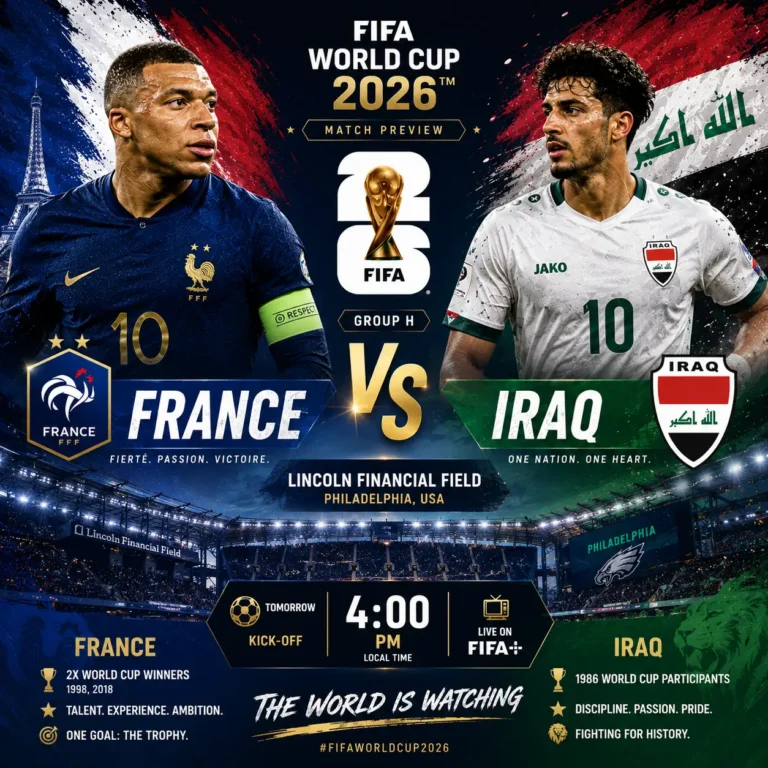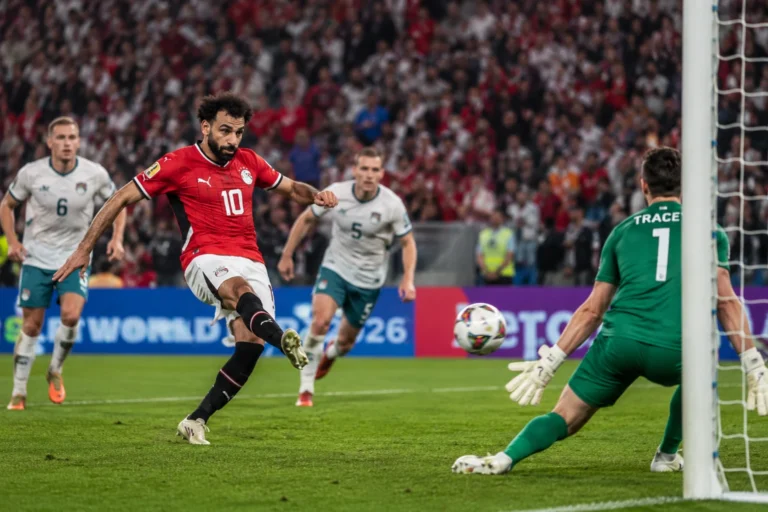
The FIFA World Cup has returned, and this edition is unlike anything football fans have witnessed before. Running from June 11 to July 19, 2026, the tournament is being co-hosted across three nations the United States, Canada, and Mexico and for the first time in history, 48 national teams are competing instead of the traditional 32. For fans across the Gulf and Kuwait, where football fandom runs deep and entire households rearrange their schedules around match nights, this World Cup brings a packed six weeks of action, larger-than-ever stakes, and a new format that changes how teams qualify for the knockout rounds.
This guide breaks down everything you need to know: the expanded format, all 12 groups, the host cities, how the knockout stage works, and what’s been happening so far on the pitch.
A Bigger, Bolder World Cup
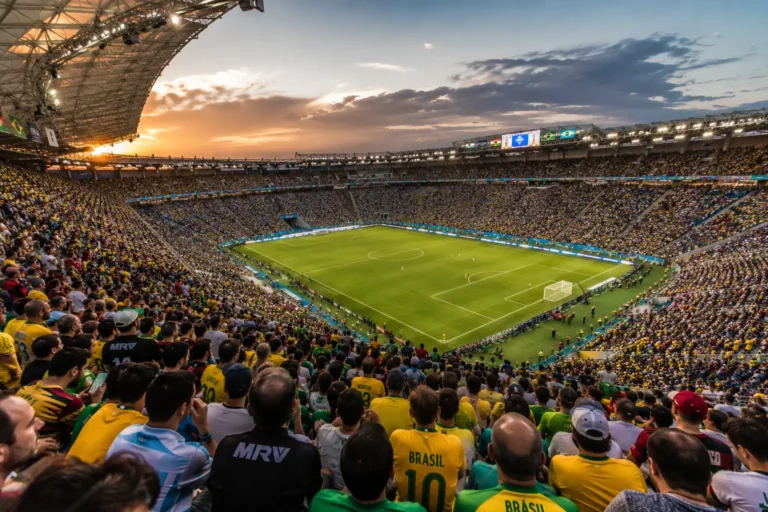
This tournament marks the biggest expansion in World Cup history. The previous format, used since 1998, featured 32 teams split into eight groups of four. That structure is now retired. In its place, 48 teams have been divided into 12 groups of four, and the path to the final has grown an extra round longer to accommodate the larger field.
The numbers alone tell the story of how much bigger this tournament has become. There are 104 total matches being played this year, compared to 64 in previous tournaments a jump of 40 additional games. The group stage alone accounts for 72 of those matches, before the knockout rounds add 32 more on top.
Hosting duties are split across 16 stadiums in three countries. The United States is hosting the majority of matches, with additional venues in Canada and Mexico, including the historic Estadio Azteca in Mexico City, which becomes the first stadium ever to host matches across three different World Cup tournaments.
How Teams Qualified
Getting to a 48-team field required a two-year qualification process across all six FIFA confederations. As co-hosts, the United States, Canada, and Mexico received automatic qualification, skipping the qualifying rounds entirely and going straight into the group draw. The remaining 45 spots were earned through continental qualifying competitions, with six additional places decided through intercontinental playoff matches in the months leading up to the tournament.
The expanded format means several nations are appearing on football’s biggest stage for the first time in decades, or in some cases, for the first time ever. Tournament debutants and long-absent nations have added fresh storylines to a competition that already carries enormous weight.
The Draw and the 12 Groups
The official World Cup draw took place on December 5, 2025, sorting all 48 qualified teams into 12 groups labeled A through L. As is tradition, FIFA’s seeding rules ensured that teams from the same continental confederation were kept apart wherever possible, with one exception: because Europe qualifies so many teams, it was unavoidable for some European nations to land in the same group as each other.
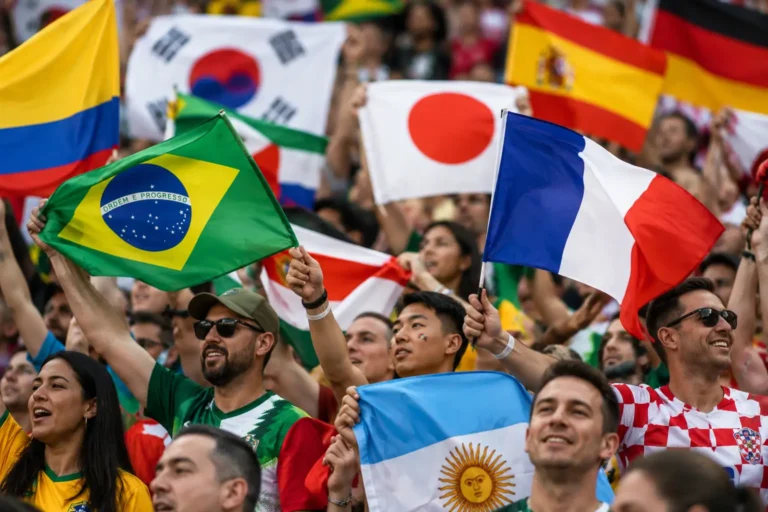
Here is how the 12 groups shook out:
- Group A: Mexico, South Africa, South Korea, Czechia
- Group B: Canada, Bosnia and Herzegovina, Qatar, Switzerland
- Group C: Brazil, Morocco, Haiti, Scotland
- Group D: United States, Paraguay, Australia, Türkiye
- Group E: Germany, Curaçao, Ivory Coast, Ecuador
- Group F: Netherlands, Japan, Sweden, Tunisia
- Group G: Belgium, Egypt, Iran, New Zealand
- Group H: Spain, Cabo Verde, Saudi Arabia, Uruguay
- Group I: France, Senegal, Iraq, Norway
- Group J: Argentina, Algeria, Austria, Jordan
- Group K: Portugal, DR Congo, Uzbekistan, Colombia
- Group L: England, Croatia, Ghana, Panama
Each team plays exactly three matches in the group stage, facing every other team in their group once. It’s a format familiar to anyone who has followed previous tournaments, but what happens next is where this World Cup truly breaks from tradition.
The New Knockout Format Explained
In every World Cup since 1998, only the top two teams from each group advanced to the knockout stage, producing a Round of 16. With 12 groups instead of eight, simply advancing the top two from each group would have created an awkward 24-team knockout bracket that doesn’t divide cleanly.
FIFA’s solution was to expand the knockout field to 32 teams by introducing a new Round of 32. All 12 group winners and all 12 runners-up automatically advance that accounts for 24 of the 32 spots. The remaining 8 places go to the best third-place teams across all 12 groups, ranked by points, goal difference, and goals scored.
This creates genuine tension even for teams sitting in third place heading into their final group match. A team that finishes third in a tough group might still sneak through if their results compare favorably to third-place finishers in easier groups, while a third-place team in a weaker group could still be eliminated if their underlying numbers don’t measure up. Fans now have to track not just their own team’s group, but how third-place performances stack up tournament-wide.
From the Round of 32 onward, the tournament reverts to a straightforward single-elimination format: Round of 32, Round of 16, quarterfinals, semifinals, third-place playoff, and the final. Just like before, any knockout match tied after 90 minutes goes to extra time two 15-minute periodsfollowed by a penalty shootout if scores remain level.
Host Cities and Stadiums
Sixteen stadiums across the three host nations are staging matches this summer, ranging from iconic, decades-old grounds to brand-new, purpose-built arenas. Host cities include Mexico City, Guadalajara, and Monterrey in Mexico; Toronto and Vancouver in Canada; and a wide spread of American cities including Los Angeles, San Francisco Bay Area, Seattle, Dallas, Houston, Atlanta, Miami, Boston, New York/New Jersey, Philadelphia, and Kansas City.
Estadio Azteca in Mexico City holds a special distinction as the only stadium to host matches in three separate World Cups, having previously been a venue in 1970 and 1986. For fans planning their viewing schedules, match times vary significantly across time zones given the geographic spread, something worth checking carefully before settling in to watch especially for fans following along from Kuwait, where the time difference from US Eastern time typically runs around seven to eight hours, depending on the specific city hosting the match.
How the Tournament Has Unfolded So Far
The opening match set the tone for the tournament, with co-host Mexico defeating South Africa 2-0 at Estadio Azteca on June 11, in front of a sold-out crowd celebrating the start of their nation’s third World Cup as host. South Korea then defeated Czechia in the tournament’s second match, also in Group A, in Guadalajara.
The co-hosts have generally started well. The United States opened Group D play with a commanding 4-1 win over Paraguay in Los Angeles, while Canada drew their opener 1-1 against Bosnia and Herzegovina in Toronto before following it up with a dominant 6-0 win over Qatar one of the standout results of the tournament’s opening rounds. Mexico, for their part, backed up their opening win with a 1-0 victory over South Korea to sit atop Group A after two matches.
Elsewhere, the tournament has already produced its share of surprises and storylines. Spain, considered among the pre-tournament favorites, were held to a goalless draw by World Cup debutants Cabo Verde, raising early questions about their title credentials. Norway’s Erling Haaland scored twice on his World Cup debut in a win over Iraq, instantly becoming one of the tournament’s most talked-about performers. Brazil notched a win over Haiti as they continue searching for the form that could carry them deep into the knockout rounds, while Argentina, led by Lionel Messi, began their Group J campaign against Austria as one of the most closely watched teams of the tournament given the possibility of this being Messi’s final World Cup appearance.
By the tournament’s first full round of matches, all 48 teams had taken the field at least once itself a new experience for a World Cup, given the larger field. Group H emerged as one of the most unpredictable early sections, with all four teams Spain, Cabo Verde, Saudi Arabia, and Uruguay drawing their opening matches, leaving the group wide open heading into the second round.
Players and Storylines to Watch
With 48 teams and over a thousand players involved, there’s no shortage of individual talent on display, but a handful of storylines have dominated conversation since the tournament began.
The race for the tournament’s Golden Boot is shaping up to be one of the most competitive in recent memory, with established stars like Messi, Erling Haaland, Kylian Mbappé, and Harry Kane all entering the tournament among the favorites to finish as top scorer. Haaland’s early brace against Iraq put him among the first names on the scoring charts, while attention remains fixed on whether Messi can add a second World Cup title to his legacy on what may be his final appearance on this stage.
The co-host nations have also generated significant buzz. The United States men’s national team, playing in front of home crowds for the first time at a World Cup since 1994, has been the subject of extensive build-up coverage, with their squad widely seen as more competitive than in previous tournaments. Canada’s emphatic win over Qatar gave their fanbase a genuine moment of celebration and raised expectations for a team that has historically struggled to make deep tournament runs.
Beyond the household names, the expanded format has given a global stage to football nations rarely seen at this level. Debutant nations and teams returning after long absences including Norway’s first World Cup appearance in 28 years have added fresh energy and unpredictability to the group stage, with several smaller footballing nations already picking up notable results against more fancied opposition.
Prize Money and Stakes
The financial stakes of this tournament have grown alongside its size. The eventual champions will take home a record $50 million in prize money, up from the $42 million awarded to Argentina after their 2022 triumph in Qatar. Total prize money across the tournament has been increased to reflect both the larger field and FIFA’s continued growth in broadcast and sponsorship revenue.
Beyond the players and federations, the tournament’s economic footprint extends well beyond the pitch. Independent economic assessments commissioned around the tournament estimate it could generate output well into the tens of billions of dollars across the three host nations, with hundreds of thousands of jobs created or supported across hospitality, transportation, security, broadcasting, and event management sectors during the tournament window. For host cities, the influx of visitors has translated into higher hotel occupancy, busier restaurants, and a noticeable bump in local economic activity that organizers hope will leave a lasting infrastructure legacy long after the final whistle blows on July 19.
Where and How to Follow the Action
Coverage of this World Cup is more widely available than any previous tournament, with broadcast and streaming rights distributed across multiple platforms depending on region. For viewers in the Gulf region, regional sports broadcasters typically carry live coverage of all matches, while international streaming options provide an alternative for fans wanting to follow specific teams or matches outside their local broadcast windows.
Given the scale of the schedule multiple matches most days during the group stage many fans are choosing to follow daily match trackers and group standings pages rather than trying to watch every single fixture live, reserving their full attention for matches involving favorite teams or high-stakes group deciders.
A Closer Look at Each Group FIFA World Cup 2026
With 12 groups in play, keeping track of every section can be overwhelming, so here’s a quick read on how each one is shaping up and what makes it worth following.
Group A (Mexico, South Africa, South Korea, Czechia) has been defined by co-host Mexico’s strong start, with two wins from two matches putting them firmly in control. South Korea’s win over Czechia keeps them in contention for second place, while Czechia and South Africa will need results in their remaining fixtures to stay alive.
Group B (Canada, Bosnia and Herzegovina, Qatar, Switzerland) turned into one of the early talking points of the tournament after co-host Canada’s 6-0 demolition of Qatar, a result that instantly reshaped goal-difference calculations across the group and put pressure on Switzerland and Bosnia to respond.
Group C (Brazil, Morocco, Haiti, Scotland) features a five-time champion in Brazil who will be expected to top the group, but Morocco’s continued rise as one of Africa’s strongest footballing nations, plus a Scotland side eager to make a deep tournament run for the first time in decades, means this section won’t be a formality.
Group D (United States, Paraguay, Australia, Türkiye) has been a showcase for the host nation, with the USMNT’s 4-1 opening win over Paraguay generating significant excitement domestically. Türkiye and Australia remain firmly in the hunt for the group’s second qualifying spot.
Group E (Germany, Curaçao, Ivory Coast, Ecuador) includes one of the tournament’s most heartwarming stories in Curaçao, a nation of roughly 150,000 people making its first-ever World Cup appearance. Germany remains the heavy favorite, but Ivory Coast and Ecuador both have the squad depth to cause upsets.
Group F (Netherlands, Japan, Sweden, Tunisia) is shaping up as one of the more balanced groups, with the Netherlands expected to lead but Japan’s technical, well-organized style making them a consistently difficult opponent for any side in the tournament.
Group G (Belgium, Egypt, Iran, New Zealand) pits a talented Belgian side, still featuring key members of their golden generation, against an Egyptian team built around their attacking talent, with Iran and New Zealand looking to use the expanded format to punch above their usual tournament expectations.
Group H (Spain, Cabo Verde, Saudi Arabia, Uruguay) has been the tournament’s biggest surprise package so far. Reigning European champions Spain were held scoreless by debutants Cabo Verde, and with all four teams drawing their openers, this group remains completely unresolved heading into the final round of matches.
Group I (France, Senegal, Iraq, Norway) saw Norway announce themselves with a statement 4-1 win over Iraq, powered by Erling Haaland’s first World Cup goals. France’s win over Senegal keeps them on track, but Senegal will be desperate for a response against Norway.
Group J (Argentina, Algeria, Austria, Jordan) is built around Lionel Messi’s continued pursuit of World Cup glory, with Argentina among the most closely watched teams of the tournament. Jordan’s appearance marks a major milestone for the country’s football program, competing on the sport’s biggest stage for the first time.
Group K (Portugal, DR Congo, Uzbekistan, Colombia) brings together a star-studded Portugal side with Colombia, a perennial dark horse in recent tournaments, while Uzbekistan’s debut appearance adds another fresh face to a group with genuine quality throughout.
Group L (England, Croatia, Ghana, Panama) features an England side under continued pressure to finally deliver a tournament title, a Croatian team that has reached at least one World Cup final in the recent past, and Ghana looking to reassert African football on the global stage.
The Race for Individual Honors
Beyond team success, several individual awards add another layer of intrigue to the tournament. The Golden Boot, awarded to the tournament’s top scorer, is wide open this year given the depth of attacking talent across the 48-team field. Erling Haaland’s early double against Iraq put him among the frontrunners almost immediately, while established World Cup scorers like Kylian Mbappé and Harry Kane remain firmly in contention as their teams progress through the group stage.
The Golden Ball, recognizing the tournament’s best overall player, and the Golden Glove, awarded to the top-performing goalkeeper, round out the major individual honors. With Messi playing what may be his final World Cup, there’s added emotional weight to whether he can add an individual honor to go alongside the title he already won in 2022. Younger stars are also pushing into the conversation, with several breakout performers from the tournament’s opening matches already drawing comparisons to past Golden Ball winners.
Why This World Cup Matters for Gulf and Kuwait Fans
Football holds a special place in Kuwaiti and wider Gulf culture, and this World Cup arrives with several storylines that resonate strongly across the region. Saudi Arabia’s participation, fresh off their memorable 2022 upset over Argentina, continues to be followed closely throughout the Gulf, and their tight opening draw against Uruguay has only added to the anticipation around their remaining group matches. Iran’s presence in Group G similarly draws significant regional attention, given the historic rivalries and shared football culture across the wider Middle East.
For Kuwait-based fans, the time difference from the host nations means many matches kick off in the late evening or overnight hours locally, with US East Coast fixtures typically landing around seven to eight hours ahead of Kuwait time, and West Coast matches running even later. Planning around work schedules has become part of the World Cup experience for many fans this summer, with cafes, restaurants, and informal viewing gatherings across Kuwait drawing crowds for marquee matches, particularly those involving Gulf or regionally significant teams.
The tournament has also fueled a noticeable bump in football-related commerce and hospitality activity regionally, from jersey sales to sports bars extending their hours to accommodate fans watching matches live. While the World Cup itself is being played thousands of kilometers away, its ripple effects are very much being felt in how Kuwaiti football fans are organizing their summer around the tournament calendar.
Frequently Asked Questions
How many teams are playing in the 2026 World Cup?
A record 48 national teams are competing, up from the 32-team format used in every tournament since 1998. This is the largest field in World Cup history.
How many matches are being played in total?
The tournament features 104 matches across the group stage and knockout rounds, compared to 64 matches in the previous 32-team format.
Which countries are hosting the 2026 World Cup?
The tournament is being co-hosted by the United States, Canada, and Mexico, with matches spread across 16 stadiums in cities including Mexico City, Toronto, Vancouver, Los Angeles, New York/New Jersey, and several others.
How do teams qualify for the knockout stage?
All 12 group winners and all 12 runners-up advance automatically, accounting for 24 of the 32 knockout spots. The remaining 8 places go to the best-performing third-place teams across all 12 groups, ranked by points, goal difference, and goals scored.
When does the tournament start and end?
The 2026 World Cup runs from June 11 to July 19, 2026, spanning roughly six weeks from the opening match to the final.
How much prize money does the winning team receive?
The champions will receive a record $50 million, an increase from the $42 million awarded to Argentina after the 2022 tournament in Qatar.
Is this the first time the World Cup has had 48 teams?
Yes. This expanded format is a first in World Cup history, growing the tournament from the 32-team structure that had been in place since the 1998 tournament in France.
Where can fans in Kuwait watch the matches?
Regional sports broadcasters typically carry live coverage of World Cup matches across the Gulf, alongside international streaming options. Given the time difference, many matches involving host nations or evening-window European fixtures fall in convenient viewing slots for Kuwait audiences, while some West Coast matches run later into the night.
Final Thoughts
This World Cup is a tournament of genuine firsts: the first 48-team field, the first World Cup jointly hosted by three nations, the first time a Round of 32 has decided which teams advance, and for several participating nations, their first appearance on football’s biggest stage altogether. For fans following along from Kuwait and across the Gulf, it’s also a tournament that rewards patience and planning, given the matches are unfolding thousands of kilometers away across a wide range of time zones.
As the group stage winds toward its conclusion and the knockout rounds approach, the storylines are only going to sharpen co-host ambitions, debutant nations chasing history, established stars chasing one final shot at glory, and a format that keeps even third-place finishes meaningful until the very last matchday. Whatever happens between now and the final on July 19, this tournament has already delivered enough drama to be remembered as one of the most significant editions of the World Cup yet played.